
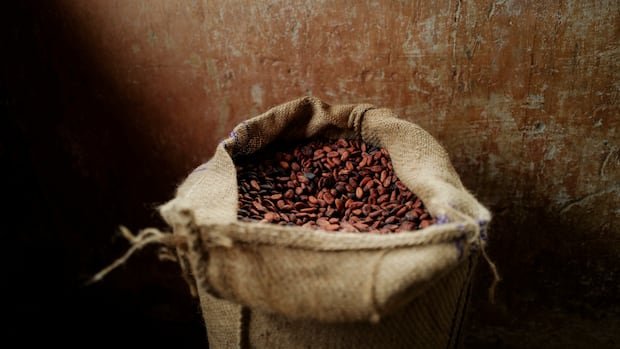

A recent study reveals that heavy rainfall poses a significant threat to cocoa production, contrary to the common focus on heat and drought as climate risks. The study, led by Anna Lea Albright, an environmental fellow at Harvard University, highlights the adverse impact of extreme rainfall on cocoa production in regions like West Africa, where over two million farmers contribute to the global cocoa supply.
In recent years, cocoa prices have surged, reaching around $6,000 per tonne, a sharp increase from previous levels of $2,000 to $3,000 per tonne. Factors such as heavy flooding in West Africa have contributed to this price hike, emphasizing the vulnerability of cocoa production to weather-related challenges.
Leslie Agyare, the founder of Three Mountains Cocoa in Ghana, expressed concerns about the detrimental effects of excessive rainfall on cocoa crops. While climate change exacerbates extreme weather events, the study suggests potential interventions like fungicide use and improved drainage systems to mitigate the impact on cocoa yields.
The research, focusing on Ghana, the world’s second-largest cocoa producer, underscores the critical role of managing extreme rainfall during cocoa tree flowering to prevent yield limitations. The study also draws attention to non-climactic risks such as aging trees and illegal mining, which further threaten cocoa production.
Experts warn that these climate shocks could make cocoa farming less attractive in West Africa, potentially leading to a shift away from cocoa-based chocolate products. Companies like Nestlé have already ventured into alternative chocolate production, exploring cocoa-free options like ChoViva, which uses sunflower seeds as a substitute for cocoa.
The study’s findings underscore the urgent need for sustainable solutions to safeguard cocoa production and support the livelihoods of farmers in cocoa-growing regions. As the industry grapples with price volatility and climate challenges, a reevaluation of farming practices and supply chain resilience becomes essential to ensure the long-term viability of cocoa production.