
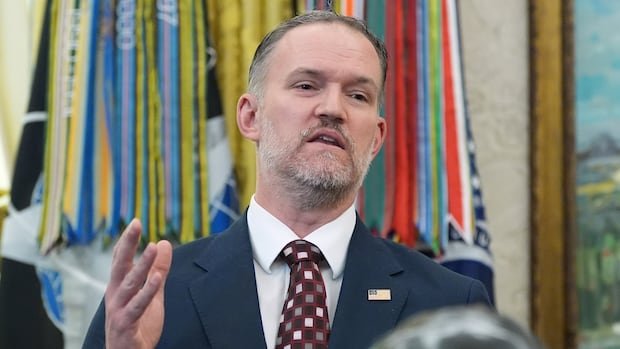

U.S. Trade Representative Jamieson Greer revealed that both U.S. President Donald Trump and Prime Minister Mark Carney will receive various “options” following recent trade discussions between Canadian and U.S. trade officials. Greer emphasized that both leaders will engage in further deliberations based on the outcomes of the talks, providing insight into the Trump administration’s stance on the negotiations.
Describing the meetings as positive and friendly, Greer exclusively shared these details with CBC News after the discussions. He mentioned plans for further communication with the president and expected Canadian officials to similarly engage with the prime minister.
Following the meeting, Canada-U.S. Trade Minister Dominic LeBlanc assured reporters of continued efforts to meet Canadian expectations. He refrained from specifying a timeline for subsequent meetings with Greer, stating a willingness to convene as necessary.
Additionally, it was disclosed that LeBlanc will brief the federal government’s Advisory Committee on Canada-U.S. Economic Relations to update them on the negotiation progress. This committee plays a vital role in strategizing Canada’s economic approach towards the U.S.
Furthermore, LeBlanc is set to provide updates to provincial representatives, as confirmed by Louise Blais, Quebec’s envoy for the CUSMA review, during an interview with Radio-Canada. The meeting between LeBlanc, chief trade negotiator Janice Charette, and Greer marked the second encounter this week and the fourth within a three-week period.
The ongoing discussions intensified after Trump’s threat to impose substantial tariffs on numerous Canadian goods, in addition to existing sectoral tariffs. The negotiations have progressed significantly, with Charette continuing talks late into the evening at the U.S. Trade Representative office post the recent meeting.
Efforts are underway to formulate a new proposal to present to Trump before the impending tariff deadline, aiming to address concerns raised by both sides. While the Americans have tabled a proposal to reduce sectoral tariffs, discrepancies in the extent of tariff reduction persist. The negotiations also encompass discussions on preferential access to Canadian critical minerals, security, and energy matters.
Despite the looming tariff threat, the Canadian side has emphasized the need for a feasible trade deal, with reports suggesting a potential presentation to Trump early next week. The Canadians have underscored the importance of resolving trade irritants, including issues related to U.S. alcohol distribution and alleged discriminatory practices against American motor vehicles and dairy.
Ontario Premier Doug Ford expressed willingness to reintroduce U.S. alcohol sales in his province upon reaching a fair agreement safeguarding Ontario’s key sectors. Ford emphasized the impact of tariffs on both countries, urging Americans to convey a strong message during the upcoming midterm elections. His sentiments echoed similar sentiments from Quebec Premier Christine Fréchette’s office regarding the ongoing alcohol ban negotiations.